AOL Account Security: Smart Tips to Secure Your AOL Mail in 2026


AOL Account Security: Smart Tips to Secure Your AOL Mail in 2026
AOL remains a familiar email service for people who use it for personal communication, account registrations, newsletters, and everyday online activities. Because email accounts can contain important messages and personal information, AOL account security should be treated as an ongoing responsibility rather than a one-time setup.
Good AOL account security involves more than creating a password. Users should pay attention to login activity, recovery information, account settings, suspicious messages, and available security features. Taking a few minutes to review these areas can help reduce avoidable risks.
Whether you have used AOL Mail for years or recently created an account, understanding practical AOL security tips can make account management easier. A secure AOL account also depends on good habits, careful login behavior, and keeping recovery details up to date.
Build a Safer AOL Mail Experience
A strong approach to AOL account security starts with understanding how everyday habits affect account protection. Simple actions, such as keeping login credentials private and avoiding unfamiliar websites, can make a meaningful difference.
AOL Mail security is not limited to what happens inside your inbox. The way you sign in, manage account information, and respond to security notifications can also affect your overall AOL account security.
Create Better Login Habits
One of the easiest AOL security tips is to use careful login habits. Always access your AOL account through the official AOL website or trusted AOL applications. Avoid entering your username or password into unfamiliar pages that imitate an email login screen.or official account and login assistance, users can refer to AOL Help.
AOL account security can also be improved by avoiding shared computers when possible. If you need to use a public or shared device, sign out when you are finished and avoid saving your credentials in the browser.
Never share your AOL password through email, text messages, or social media. A legitimate support request should not require you to publicly disclose your password.
Avoid Common Account Risks
Online threats can sometimes begin with a simple message. An email may contain an unexpected attachment, a suspicious link, or a request for personal information. Paying attention before clicking can support better AOL account security.
Be particularly cautious when a message creates urgency or asks you to confirm sensitive information immediately. Instead of clicking a questionable link, open AOL directly through a trusted browser or application and check your account there.
These basic AOL security tips can help users avoid common phishing and credential-theft attempts. Users can also review AOL’s information about blocking unwanted mail to better manage unwanted messages and keep their inbox organized.
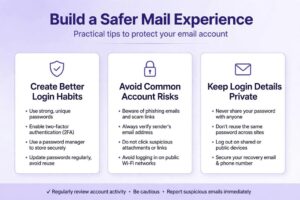
Keep Login Details Private
Account credentials should be treated as private information. Avoid writing your password where other people can easily see it, and do not reuse the same password across multiple important services.
If another account using the same password is compromised, reused credentials could create additional risks. For stronger AOL account security, use a unique password that is difficult for others to guess.
Strengthen Your Everyday Account Defense
Effective AOL account security requires regular attention. Security features can change over time, and users may also add new devices, update personal information, or change recovery options.
Reviewing your account periodically helps you notice changes that you may not recognize. It also gives you an opportunity to improve your AOL Mail security practices.
Use Sign-In Verification Features
If additional sign-in verification features are available for your AOL account, consider enabling them. Extra verification can provide another layer of protection beyond the password.
AOL account security becomes stronger when an unauthorized person cannot access the account simply by obtaining the password. Additional verification may require another confirmation step during certain login situations.
Users should review the security options available directly through their AOL account rather than relying on instructions from unknown websites. For more information, refer to AOL Help – 2-step verification.
Review Connected Devices
People often sign into email from several devices, including smartphones, laptops, tablets, and work computers. Over time, it can become difficult to remember every device that has been used.
Regularly reviewing account access and login information is a useful AOL security tip. If you see activity that you do not recognize, investigate it rather than ignoring it.
Keeping track of your own devices supports better AOL account protection and can make unusual activity easier to identify.
Manage Authorized Access
Some online services or applications may request access to account information. Before allowing access, consider whether the application is necessary and whether you trust the service.
Removing access that you no longer need can be part of good AOL account security. Old connections and unused services should not remain authorized indefinitely without a reason.
When managing access, use the account’s official settings and avoid third-party tools that request your AOL password unnecessarily.
Protect Your Inbox From Online Threats
Email remains a common channel for phishing attempts, misleading offers, fake notifications, and other unwanted communications. Strong AOL Mail security therefore depends partly on how users evaluate incoming messages.
A secure AOL account is not simply an account with a strong password. Good AOL account security also depends on safe email behavior and knowing how to recognize suspicious messages.
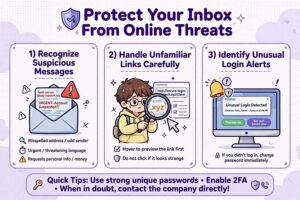
Recognize Suspicious Messages
Some suspicious messages attempt to look like legitimate notifications. They may use familiar logos, urgent language, or requests for account verification.
One of the most practical AOL security tips is to examine messages carefully before responding. Check the sender information, wording, links, and reason for the request.
If an email claims there is a problem with your account, do not automatically trust the link provided in the message. Access your AOL account independently and check for notifications there.
Handle Unfamiliar Links Carefully
Links can lead to websites designed to collect usernames, passwords, or other personal details. A link may look legitimate while actually directing you somewhere else.
Good AOL account security means slowing down before clicking unexpected links. If you are unsure about a message, avoid interacting with it until you can verify its source.
This habit is especially useful for protecting AOL Mail security because email accounts can be targeted through convincing phishing messages.
Identify Unusual Login Alerts
Unexpected login notifications deserve attention. If you receive an alert about activity you do not recognize, review your account as soon as possible.
Do not assume that every unusual notification automatically means your account has been compromised. However, unexplained activity should not be ignored.
Checking login information and updating credentials when necessary can support AOL account protection. Users should also review recovery information and available security settings if they suspect unauthorized access.
Maintain Long-Term Account Safety
AOL account security should be considered an ongoing process. Even if your account has never experienced a problem, regular maintenance can help keep important information current.
Recovery information is particularly important because it can help users regain access if they forget their password or experience an account-access problem.
Update Important Account Details
Keep your recovery information accurate and current. Old phone numbers, inactive email addresses, or outdated details may become less useful when you need to recover your account.
AOL recovery options should be reviewed periodically so that the information associated with your account remains relevant.
For better AOL account security, make sure you can access the recovery methods associated with your account. If you lose access to an old recovery method, update it through the official account settings when possible.
Monitor Changes to Your Profile
Account information can change over time. Users may update contact details, preferences, recovery information, or other settings.
Regular reviews can help you notice changes that you did not make. This is another practical component of AOL account security.
If something appears unfamiliar, avoid making assumptions. Check the account carefully and use official AOL support resources when you need help determining what happened.
Prepare for Access Problems
Even careful users can forget passwords or lose access to an old recovery method. Preparing in advance is therefore an important AOL security tip.
Keep your recovery information current and make sure you understand the account-recovery process. Do not wait until you are locked out before checking whether your recovery details still work.
Strong preparation supports AOL account protection and can make account recovery less stressful.
AOL Account Safety Checklist
A simple checklist can make AOL account security easier to maintain. Instead of trying to remember every security task, review the most important areas regularly.
Quick Steps for Regular Reviews
Start by checking whether your password is unique and private. Next, review available verification features and account access information.
Then check your recovery information. Confirm that your recovery details are still accurate and accessible.
Review recent account activity when the feature is available. If something looks unfamiliar, investigate it promptly.
Finally, be careful with unexpected emails and links. These habits work together to support better AOL Mail security.
Key Details to Check Periodically
A practical AOL security checklist can include:
- Use a unique and private password.
- Review available sign-in security features.
- Keep recovery information current.
- Check for unfamiliar account activity.
- Avoid suspicious links and attachments.
- Review connected applications and devices.
- Sign out of shared or public computers.
- Use official AOL pages when managing account information.
- Avoid sharing sensitive login information.
- Review account settings regularly.
Following these steps does not guarantee that every security threat will be prevented, but it creates a stronger foundation for responsible account management.
AOL account security is most effective when users combine technology with careful everyday behavior. Security settings are helpful, but they work best when users also recognize suspicious activity and protect their credentials.
Frequently Asked Questions
How can I improve AOL account security?
Use a unique password, keep recovery information updated, review account activity, enable available verification features, and be cautious with suspicious messages and links.
What is AOL Mail security?
AOL Mail security refers to the practices and features used to help protect an AOL Mail account, including secure login habits, account settings, recovery information, and awareness of phishing attempts.
Why is AOL recovery information important?
AOL recovery information can help you regain access to your account if you forget your password or encounter certain account-access problems.
What should I do if I notice unfamiliar account activity?
Review your account activity, secure your credentials, and check your security and recovery settings. If necessary, use official AOL support resources for additional assistance.
How often should I review my AOL security settings?
There is no single schedule that works for everyone, but checking your security and recovery information periodically is a useful habit. You should also review your settings after changing devices, passwords, or recovery details.
Conclusion
AOL account security is an ongoing part of responsible email management. A secure AOL account depends on several factors, including private login credentials, updated recovery information, careful email habits, account monitoring, and appropriate security settings.
Using practical AOL security tips can help users identify potential risks before they become larger problems. At the same time, AOL Mail security should not be treated as something that requires attention only after suspicious activity occurs.
Regularly reviewing your account, protecting your credentials, checking unfamiliar activity, and maintaining AOL recovery information can create a more reliable approach to AOL account protection. By making these habits part of your normal account routine, you can better manage your AOL account and reduce common security risks.